
“The present moment is the only place where life truly exists.”
— Eckhart Tolle
Children today live in a world that moves unbelievably fast. Screens, notifications, rushed routines, and constant stimulation fill almost every part of their day. Their minds bounce from one thing to another, often leaving little room for calm, imagination, or emotional reflection. That is why, especially for young children from Grades 1 to 5, integrating mindfulness and visualisation into art lessons is becoming more than just a creative idea — it is becoming a meaningful necessity. Mindful art gives children something they rarely experience: silence, slowness, imagination, and inner peace. And while they do create beautiful artwork, the deeper purpose is far more powerful. They learn a lifelong skill — a therapeutic, expressive outlet they can return to throughout their lives whenever they feel overwhelmed, stressed, or in need of grounding.
Every mindful art lesson begins with one simple yet profound act: slowing down. Children are guided to take deep breaths, close their eyes, stretch gently, or listen to the quiet around them. To enrich this peaceful atmosphere, soft Solfeggio frequencies, healing sound vibrations play in the background. These tones naturally relax the nervous system, helping children shift from “busy mode” to “creative calm.” This beginning helps children feel centred and grounded.
As quoted by Jon Kabat-Zinn beautifully:
“Mindfulness is paying attention, on purpose, in the present moment, and non-judgmentally.”
It’s true that with just a few mindful minutes, the noise, rush, excitement, and distractions fades, and the classroom transforms into a calm space ready for creativity.
Visualisation and working with fantasy concepts hand in hand
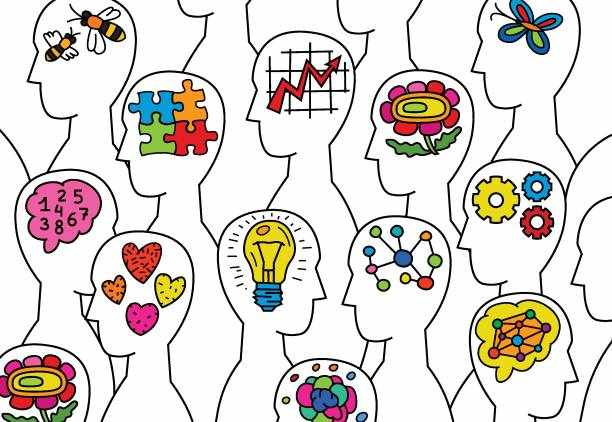
Before children begin drawing, they go on a little journey — all in their imagination. A soft guided visualisation invites them to explore places that don’t exist on maps.it could be going on a forest journey filled with magical creatures or diving into glowing underwater or meeting characters from their own dreams.
These visualisations, supported by gentle sound therapy, unlock a child’s creativity in remarkable ways. Instead of copying a picture or drawing something predictable, children start creating fantasy art forms that come from deep within their own imagination. As Thich Nhat Hanh reminds us:
“The mind can go in a thousand directions, but on this beautiful path, we walk in peace.”
This visualisation helps children find that peaceful path and paint it becomes more therapeutic and healing.
The main objective of integrating mindfulness in sessions is that in today’s instant world — instant food, instant videos, instant answers, AI — children rarely get the chance to slow down and take their time. Art, combined with mindfulness, teaches them exactly to enjoy the moment not forcefull but by choice. This helps children by noticing tiny details like how colours blend slowly? how every colour has mood and temperature? How simple lines can help express emotions.
Because they are calmer, they observe deeply. They become thoughtful, patient learners rather than hurried creators. This patience also prepares them emotionally, they learn that mistakes are part of life and learn from them, As no artwork is a bad artwork. And creativity is a journey, not a race.
Mindfulness naturally sparks curiosity in children. A calm mind becomes an exploring mind. Children start asking questions, researching ideas, and experimenting with new materials, combining them and exploring mix media , new textures and patterns with different material like water colour, oil pastel, charcoal pencil, poster colours etc.
Instead of fearing something unfamiliar, they start approaching it with confidence and wonder. These small acts of exploration build early research skills making them ask more questions and discovering what else is possible. This is where art becomes more than a subject. It becomes more of creative thinking and problem-solving skill.
One of the most powerful parts of mindful practice in art class is the quiet creation period. For 30–40 minutes, the classroom becomes a peaceful oasis. There is no rush, no noise, no pressure ,just children, their imagination, their colours, and soft Solfeggio frequencies gently playing in the background. In those calm moments, children learn to understand their emotions — their “weather” — and express it through shapes, colours, textures, and stories in their art. This calmness becomes a safe, comforting space where their minds can rest and reset.
With mindfulness and visualisation woven into the art lessons, art becomes much more than fun or aesthetic learning. It becomes a language of expression, a way for children to share thoughts and emotions they may not always know how to speak. This is why the objective of mindful art is not just to teach drawing or painting techniques. It is to give children a therapeutic tool ,a calming skill they can use at any age to cope with stress, to express difficult emotions, to find comfort in creativity, to reconnect with themselves, and to feel grounded during life’s ups and downs. At SBS, we ensure that, this is the gift they will carry long after they leave the classroom.
When mindfulness and art come together, children discover a powerful life skill — the ability to centre themselves and channel their thoughts and emotions creatively. They learn to value the process, honour their imagination, and trust their inner voice. These lessons stay with them long after the artwork is complete, shaping them into calmer, more aware, and emotionally resilient individuals prepared for the world ahead.
In a world that moves too quickly,
Mindful art helps children pause.
In a world filled with noise,
It teaches the beauty of silence.
In a world chasing perfection,
It shows the joy of expression.
And in a world full of stress,
It offers gentle therapy through creativity.
Written by Nattasha Kapoor (Mindfulness coach,Art therapist,PLR Therapist & Art Educator)
SOURCE: https://stepbystep.school/blog/mindfulness-visualisation-in-young-creativite-minds/








Write a comment ...